Artificial intelligence has come a long way—from simple rule-based systems to advanced models capable of generating human-like text. But the next big leap in AI is not just about understanding text—it’s about understanding the world in multiple ways.
This is where multimodal AI comes in.
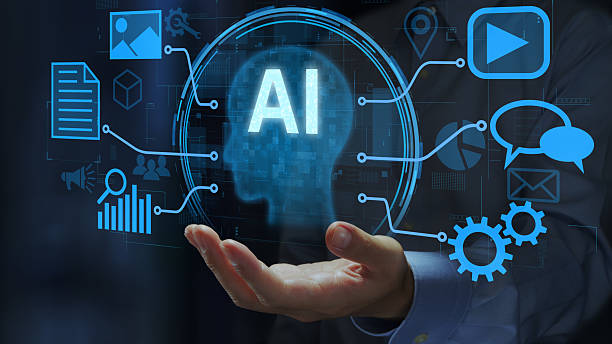
Multimodal AI refers to systems that can process and understand different types of data simultaneously, such as text, images, audio, and video. Instead of relying on a single input type, these systems combine multiple sources of information to deliver more accurate and intelligent outputs.
In this article, we’ll explore what multimodal AI is, how it works, its applications, benefits, and why it represents the future of artificial intelligence.
What is Multimodal AI?
Multimodal AI is a type of artificial intelligence that can process and integrate multiple forms of data.
These modalities include:
- Text
- Images
- Audio
- Video
For example, a multimodal AI system can:
- Analyze an image and describe it in text
- Understand spoken language and respond accordingly
- Combine visual and textual data for better decision-making
How Multimodal AI Works
Multimodal AI systems use a combination of technologies:
Natural Language Processing (NLP)
Processes and understands text.
Computer Vision
Analyzes and interprets images and videos.
Speech Recognition
Converts spoken language into text.
Data Fusion Techniques
Combine information from multiple sources to produce a unified output.
These components work together to create a more comprehensive understanding of data.
Key Benefits of Multimodal AI
1. Improved Accuracy
By combining multiple data sources, AI can make more accurate predictions and decisions.
2. Better User Experience
Multimodal systems provide more natural and intuitive interactions.
3. Enhanced Context Understanding
AI can understand context more effectively by analyzing different types of input.
4. Versatility
Multimodal AI can be applied across various industries and use cases.
Real-World Applications of Multimodal AI
Healthcare
Doctors use multimodal AI to analyze medical images along with patient records for accurate diagnosis.
Autonomous Vehicles
Self-driving cars use cameras, sensors, and GPS data simultaneously to navigate safely.
Virtual Assistants
AI assistants can process voice commands and display visual results.
E-commerce
Customers can search for products using images instead of text.
Content Creation
AI tools can generate text, images, and even videos from a single prompt.
Multimodal AI vs Traditional AI
| Feature | Traditional AI | Multimodal AI |
| Data Type | Single (text or image) | Multiple (text, image, audio) |
| Accuracy | Moderate | High |
| Context Understanding | Limited | Advanced |
| Use Cases | Specific | Broad |
Challenges of Multimodal AI
1. Data Complexity
Handling multiple data types requires advanced processing.
2. High Computational Cost
Multimodal systems require powerful hardware and resources.
3. Integration Issues
Combining different data sources can be technically challenging.
4. Data Privacy Concerns
Handling sensitive data requires strict security measures.
How Businesses Can Use Multimodal AI
1. Customer Support
Combine chat, voice, and visual inputs for better support.
2. Marketing
Create personalized campaigns using multiple data sources.
3. Product Development
Analyze user feedback from text, images, and videos.
4. Security Systems
Use video and audio analysis for surveillance and threat detection.
Future of Multimodal AI
The future of multimodal AI is incredibly exciting. We can expect:
- Fully interactive AI systems
- Smarter virtual assistants
- Advanced robotics
- More immersive user experiences
As technology evolves, multimodal AI will become more accessible and widely adopted.
Conclusion
Multimodal AI represents the next evolution of artificial intelligence. By combining text, images, audio, and video, it creates smarter, more efficient systems capable of understanding the world in a human-like way.
While challenges exist, the potential of multimodal AI is enormous. Businesses and individuals who embrace this technology early will have a significant advantage in the future.